Swimming—A Watery Relationship
Reflective Routes looks at swimming as a relationship, revealing how the water mirrors our spiritual journey and the courage it takes to enter it.
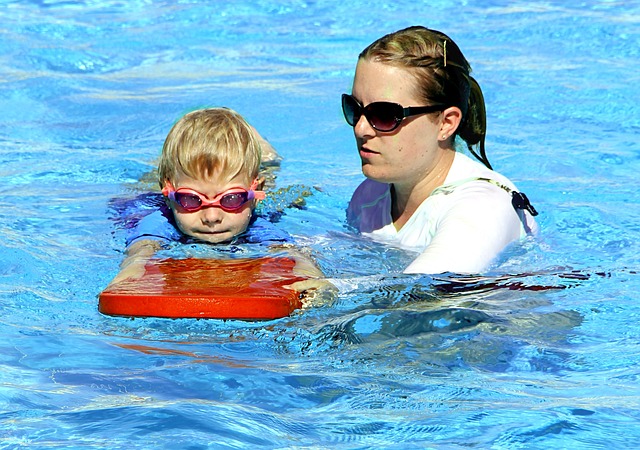
When we enter the pool, it’s usually because the elder in our lives made that choice for us—and, overall, most of us are quite happy they did.
A parent, a grandparent, or another trusted adult—shaped by the guidance they once received—led us to the edge, encouraged us forward, and formed the way we first approached the water.
Reflective Routes has noticed that this early pattern echoes throughout our lives.
The stories that shaped us continue to influence how we step into the water—the pool of our own life—and reveal the habits we’ve carried forward, the ones that guide us toward growth, and the ones that hold us back.
And beyond our personal self-story, the stories of the adults around us—the eras we grew up in and the cultures that formed us then and now…
These are just a few of the influences that shape how we see the world, how we interpret our experiences, and how open—or guarded—our hearts become.
Eventually, we all reach a point where we must look inward and ask whether our beliefs are truly ours—or simply echoes of the voices that influenced us.

From the Text
- elders guiding us to the water
- early patterns echoing into adulthood
- personal stories shaping how we enter the “pool” of life
- adults’ stories, eras, and cultures influencing our openness
- the invitation to look inward and examine what we truly believe
Reflection Prompts
- Where do you feel guarded, hesitant, or unsure?
- Who first guided you toward trust, faith, or spiritual things?
- Where do you feel open today — spiritually, emotionally, or relationally?
- What stories from your past still influence how you “enter the water” now?
- How did the elders in your life shape the way you approached God and or your life's experiences?
Entering The Pool
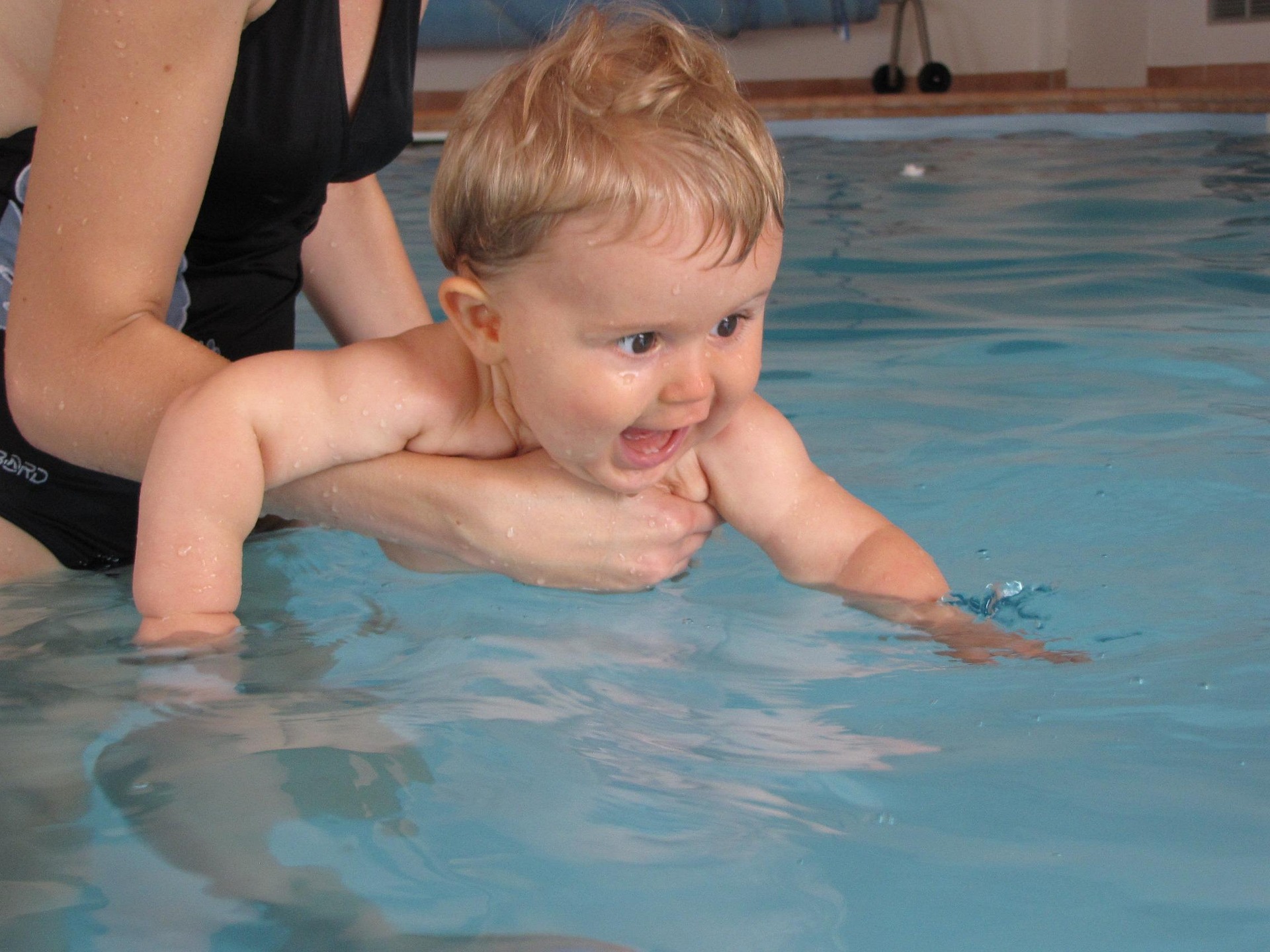
Entering the pool of our own accord is very different than being escorted by an adult.
When we finally step into the water ourselves, something becomes clear: entering the pool isn’t just any swimming activity—it’s a moment of truth.
The water shows us how we enter anything new—whether with trust, hesitation, or the quiet hope that we might learn to float and allow ourselves to be held by the water while swimming.
Choosing to enter ourselves—turning inward while remembering the guidance of our elders—is its own kind of work; a process that asks for honesty, courage, patience, and yes, practice as we create new stories.
From the Text
- trust, hesitation, or quiet hope
- entering the water on our own vs. being guided
- choosing to turn inward with honesty and courage
- noticing our inner posture as we enter something new
- recognizing the moment of truth when we step in ourselves
- remembering the guidance of our elders while forming our own path
Reflection Prompts
- Where in your life are you beginning to enter “the water” on your own terms?
- What inner work—honesty, courage, patience—is asking for your attention right now?
- What guidance from your elders still shapes you, and what are you learning to choose for yourself?
- When you step into something new, what posture do you notice in yourself—trust, hesitation, or guardedness?
Guidance In the Water
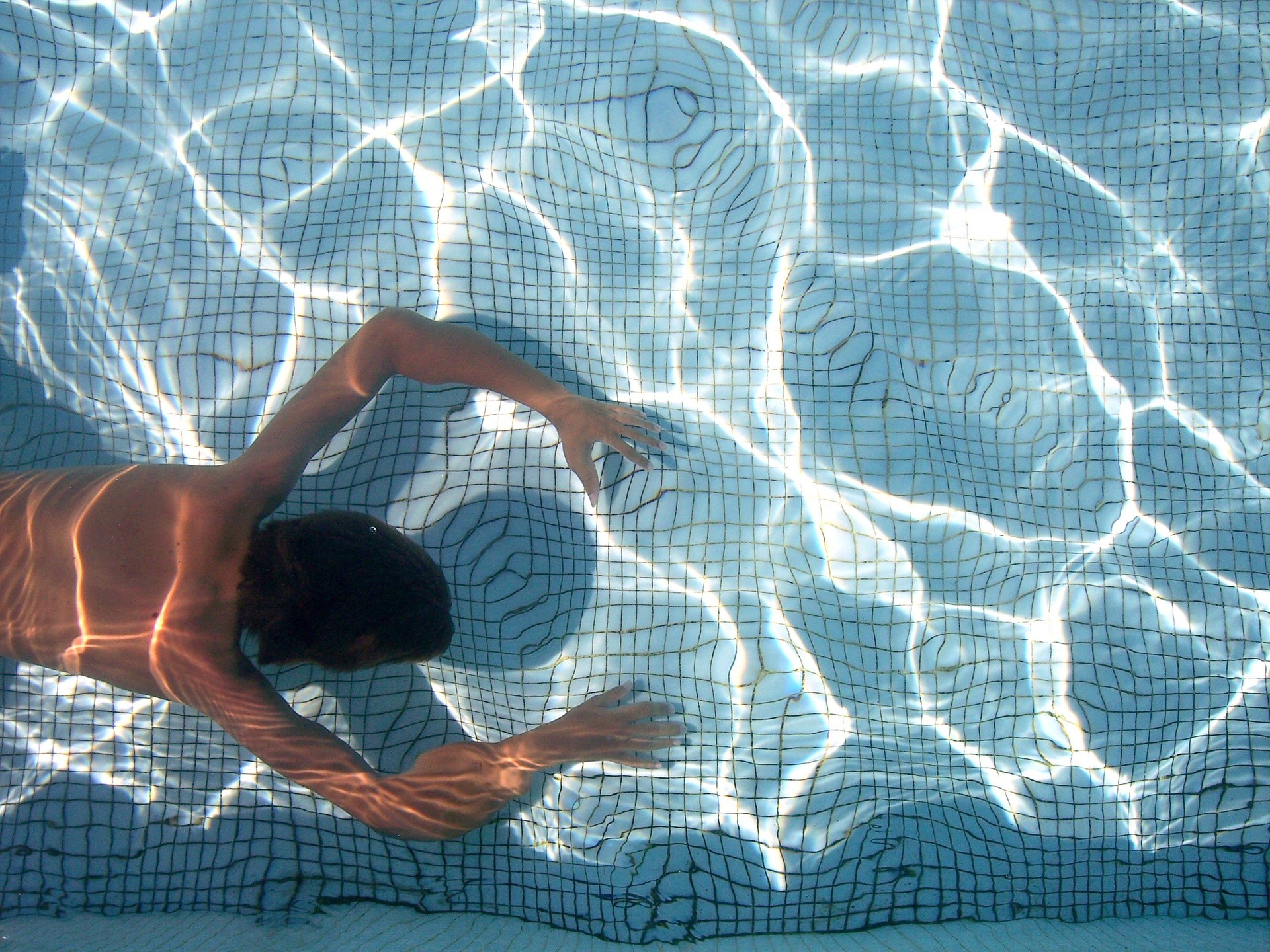
Guidance in the water is subtle. It doesn’t force, push, or demand—it invites. The water responds to the heart we bring, meeting us with support when we soften and resistance when we tighten.
In this way, the water becomes a quiet teacher.
It reflects our inner posture—whether we’re trying to control everything, bracing for what might go wrong, or allowing ourselves to be held while swimming.
The water doesn’t change to suit us; it invites us to change in order to move with it. Life works the same way. Our thoughts, assumptions, and expectations shape how we enter each moment—the unfolding stories of our lives.
The water invites a kind of self‑awareness we often avoid. It reflects the posture of the heart—whether we’re tense, distracted, guarded, or willing to be guided.
Without this awareness, we move through life reacting instead of responding, never understanding why certain patterns keep repeating.
From the Text
- subtle guidance
- reacting vs. responding
- support when we soften
- resistance when we tighten
- the water as a quiet teacher
- the water responding to our inner posture
- awareness of our thoughts and assumptions
- repeating patterns without understanding why
Reflection Prompts
- How does your inner posture shape the way you move through your days?
- Where do you notice yourself tightening, bracing, or trying to control outcomes?
- Where do you feel the water—life, God, grace—offering support when you soften?
- What patterns keep repeating in your life, and what might they be trying to show you?
Turning Toward the Inner Current
Swimming is a direct reflection of understanding ourselves in the water.
If we enter the water unaware of its power, we misunderstand the seriousness of the swim—the very place where our stories of self‑growth and spiritual maturity begin to surface.
Remember
In the right conditions, a person can drown in 2 inches worth of water.
Life seems to echo the same truth—when we bother to listen. Its message is always one of love, grace, and mercy even when it arrives through resistance.
Swimming, when we participate with the water, is—no bias here... maybe just a little—the best form of exercise...
In the water, every movement, painlessly, sends signals to the brain, waking muscles we rarely notice on land. We should leave the pool tired but refreshed, hungry but not hurting, strengthened without strain.
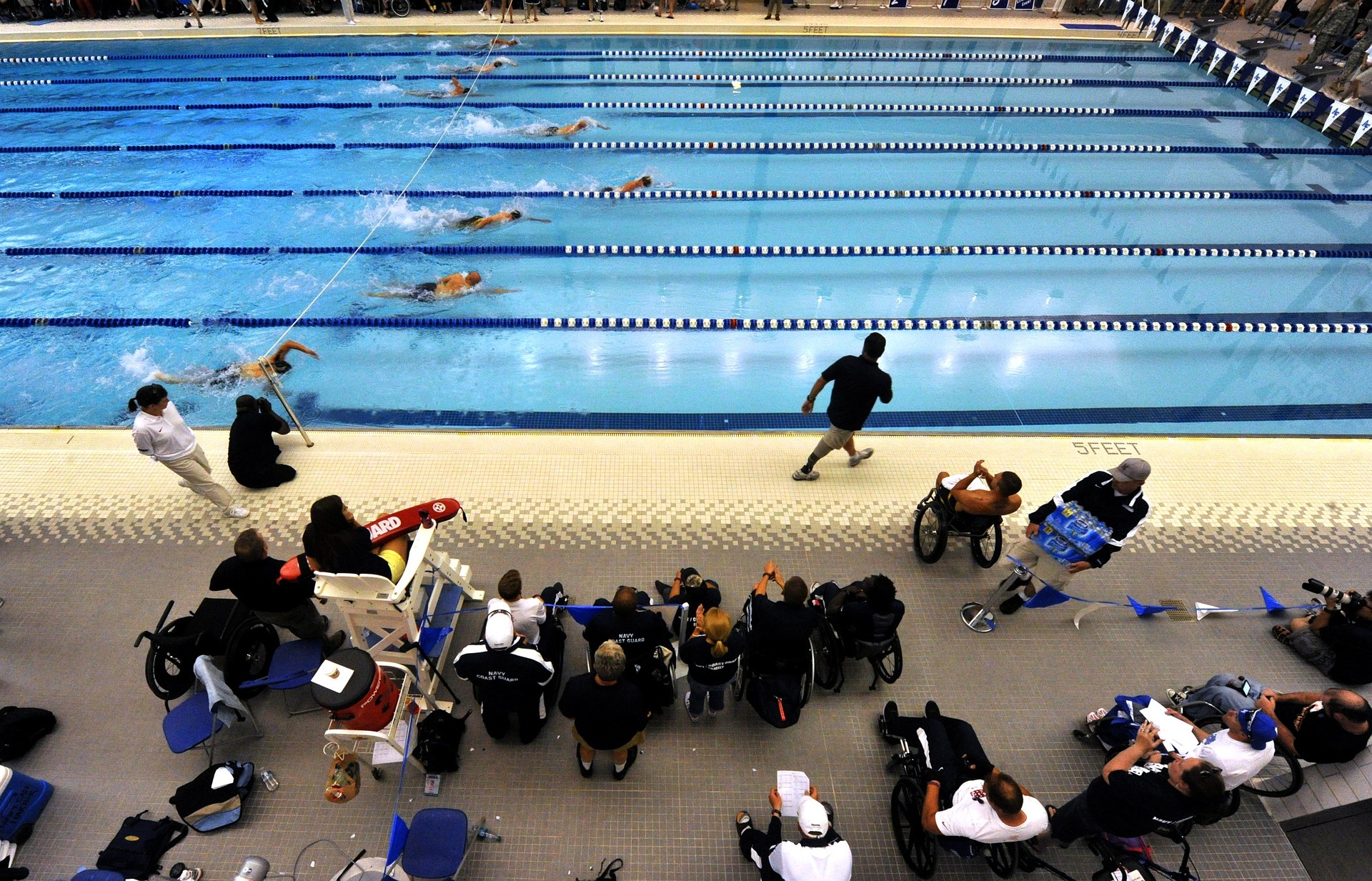
And the way you feel when you step out of the pool reflects that alignment—yourself with your body, and yourself with the water.
But when we’re in resistance to the water, or simply out of shape—when our timing is off and we’re catching late breaths—causing a struggling swim reflecting changing stories...
When we enter a wave pool while our body expects a lap lane, our exit feels different. We step out not aligned, but relieved that it’s finally over—quite thankful we made it out without needing a lifeguard’s help.
Swimming—with all its spiritually relatable moments—begins to reveal something deeper here.
And Ken, as our Honored and Head W.S.I., teaches proper technique in a way that helps us understand not just the Everlasting Water—but ourselves within the Pool of Life.
And this is where we begin to understand the chain of command within the Godhead—"as it is on earth, so shall it be in heaven" (The Lord’s Prayer, Matthew 6:9–13).
From the Text
- wave pool vs. lap lane
- unexpected conditions
- expecting one thing, receiving another
- swimming as a spiritually relatable practice
- hurts and reactions as signposts, not shame
- understanding ourselves within the “pool of life”
- resistance in the water mirroring resistance in life
- Jesus meeting us when we follow our signals inward
- Ken’s role as an honored W.S.I. teaching proper technique
- alignment vs. misalignment when stepping out of the pool
- the seriousness of entering the water unaware of its power
- the difference between a lap lane and a wave pool — expectation vs. reality
- water reflecting our inner posture — trust, hesitation, resistance, or surrender
- Scripture speaking for itself — hearing Jesus clearly through proper guidance
- the swim as a place where stories of self‑growth and spiritual maturity surface
- the chain of command in the Godhead — “as it is on earth, so shall it be in heaven”
- timing, breath, and the struggle of catching up when we’re out of rhythm
Reflection Prompts
- What “wave pools” are you navigating?
- Where do you feel aligned, supported, or held?
- How open or guarded does your heart feel today?
- What new “stories” are you beginning to create as you grow?
- Where do you sense Jesus meeting you in your honesty or struggle?
- How does the water — or life — reflect your inner posture right now?
- Where in your life does the environment not match your expectations?
- Where do you feel resistance, strain, or the sense of “catching late breaths”?
- How do you respond when life feels chaotic, unpredictable, or out of rhythm?
- What guidance from your elders still shapes how you enter new experiences?
- What stories of self‑growth or spiritual maturity are beginning to surface in your life?
- When have you entered something new unaware of its power — and what did it teach you?
- What expectations have you carried into a situation that turned out to be a “wave pool” instead of a lap lane?
We’re not here to shame our reactions or silence our hurts.
Reflective Routes sees them as signposts—honest signals that something inside us is asking to be seen, understood, and healed.
When we follow those signals inward, we eventually discover that we can’t walk this path alone. That’s where Jesus meets us. And through Ken’s teaching—grounded in letting Scripture speak for itself—we learn how to hear the Godhead clearly.
If something within the page's message stirred a memory, a question, or a moment of recognition, Reflective Routes invites you to share your story. Your voice may be the reflection someone else needs.
And if you’d like to see how one story becomes part of this shared journey, follow the link below.
It introduces Danna and shows how her own walk with Jesus has become woven into Reflective Routes—a site built by seekers, for seekers, each of us contributing what we’ve lived and learned.